

In autumn, Mallorca doesn’t shut down for the season. It simply changes pace.
Summer, with all its heat, crowds and holiday bustle, gradually begins to ease.
The sea is still warm. Restaurant terraces are still lively. The mountains become inviting again for longer walks. Grape harvests begin in the vineyards, local fairs and festivals fill the streets of the island’s towns, and the landscape slowly takes on softer autumn colours
Autumn in Mallorca is no longer the point when the island simply winds down for winter. It is simply a different way to experience the island. And depending on what you want from your holiday, it may even be a better one
Autumn in Mallorca at a glance
- Warm seas in September
- Quieter beaches
- Better weather for exploring
- Perfect for hiking and cycling
- Food, fairs and local life
September, October or November – when should you visit Mallorca?
These three months can feel more different from one another than the single word “autumn” might suggest.
September still feels very much like summer. October is ideal for combining the coast with hiking, cycling and sightseeing. By November, local food, fairs and island traditions start to take centre stage.
Mallorca weather in autumn
Autumn weather in Mallorca changes noticeably from September to November. According to AEMET climate normals for Palma, September still has an average maximum of 27.1°C, while November averages 19.3°C.
| Month | Average maximum temperature | Monthly sunshine hours | Average rainfall | Rainy days* |
|---|---|---|---|---|
| September | 27.1°C | 226 h | 52 mm | 4.7 |
| October | 23.7°C | 205 h | 69 mm | 6.7 |
| November | 19.3°C | 161 h | 59 mm | 6.4 |
Data based on AEMET climate normals for Palma.
*A rainy day means a day with at least 1 mm of rainfall.
Beach weather can linger well into autumn, but the closer you get to November, the more useful it becomes to have something in your plans beyond the sea and a sun lounger.
Luckily, that is not a problem in Mallorca. Here are 15 reasons why autumn is well worth considering.
1. September? It still feels like summer
In many parts of Europe, September means alarm clocks again, cooler mornings and the first conversations about whether it is time to turn the heating on.
Mallorca has other ideas.
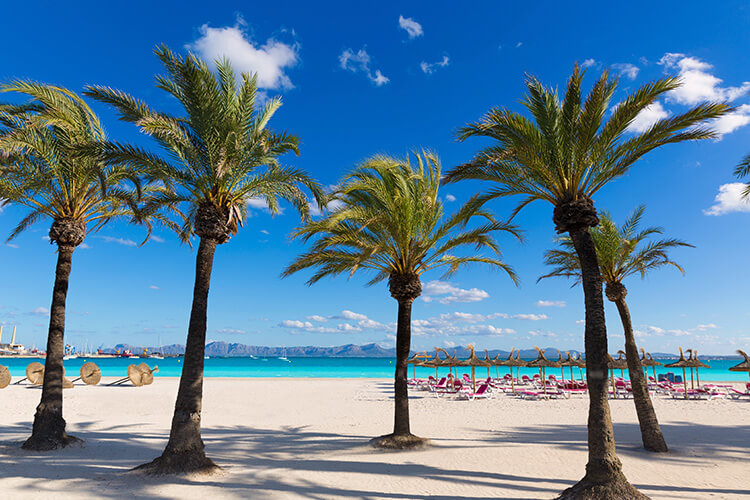
With an average maximum temperature of around 27°C in Palma, September still feels much more like summer than autumn. Beach days, swims in the sea, lunches outdoors and long evenings on the terrace are all still very much on the agenda.
And September has one advantage June simply cannot match: the Mediterranean has had an entire summer to warm up.

September in Mallorca has little in common with autumn as we know it in northern Europe. For anyone able to travel outside the school holidays, it feels more like an extra month of summer than the beginning of autumn.
2. More space on the beach
In summer, Mallorca’s beaches are at the height of the season. In autumn, you can still enjoy the sea and sunshine, but a day by the water starts to feel a little different.
At Es Trenc, Playa de Muro and the beaches around Alcúdia, it is easier to find a spot, stay longer and make plans more spontaneously.
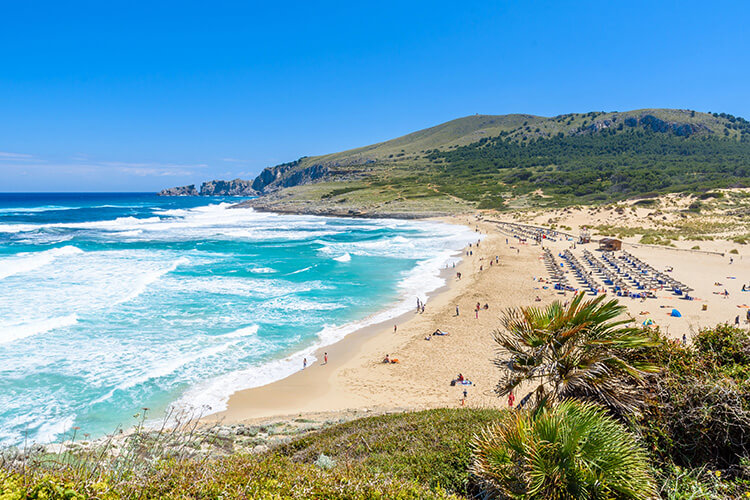
You generally do not need to plan quite as carefully around arrival times, parking or finding space on the sand. It becomes easier to change beaches on a whim, stop somewhere along the way or combine a swim with lunch and a short excursion.

In September and early autumn, boat trips, kayaking and other coastal activities can also remain part of the holiday, depending on the weather and which seasonal operators are still running.
The beach can still be the main event in autumn. It just does not have to be the only one.
3. Autumn gives you the whole day back
At the height of summer, even the keenest explorer can find themselves negotiating with the thermometer.
A medieval hilltop town at midday? Maybe tomorrow.
A five-hour hike? Best at dawn.
Cycling through the Tramuntana? Only if you really enjoy the heat.
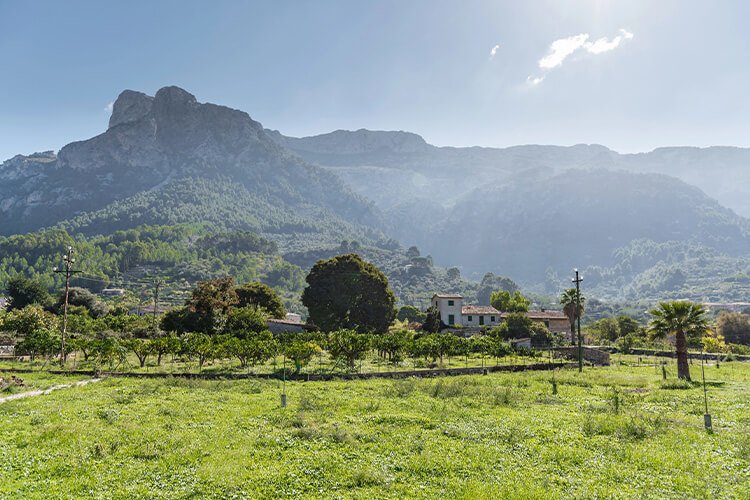
In October, the average maximum temperature in Palma is around 23.7°C. The weather is more changeable than in summer, but the milder temperatures are far better suited to sightseeing, hiking and cycling.
Autumn simply leaves more room for spontaneity.
4. Autumn belongs to the Tramuntana
The Serra de Tramuntana is far more than a mountainous backdrop to Mallorca’s beaches. It is a UNESCO World Heritage cultural landscape shaped over centuries by stone terraces, pathways, olive groves, villages and sophisticated water-management systems.
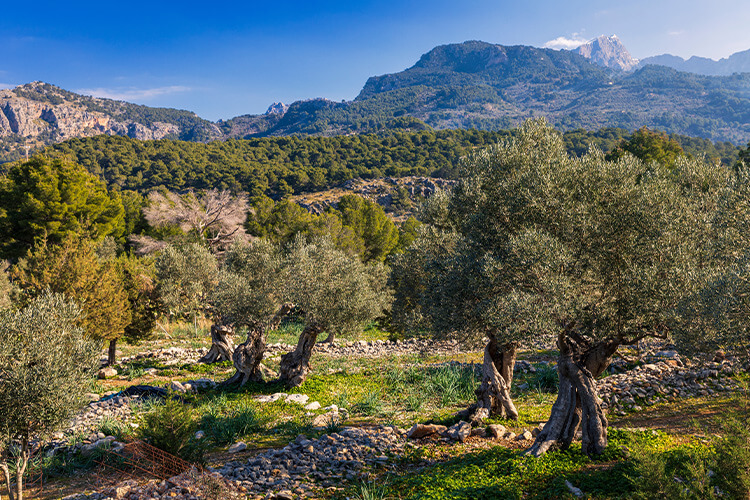
Once the summer heat eases, routes around Pollença, Lluc, Sóller, Deià, Fornalutx and Barranc de Biniaraix become much more enjoyable. You can spend several hours on the trail without constantly searching for shade or trying to avoid the hottest part of the day.
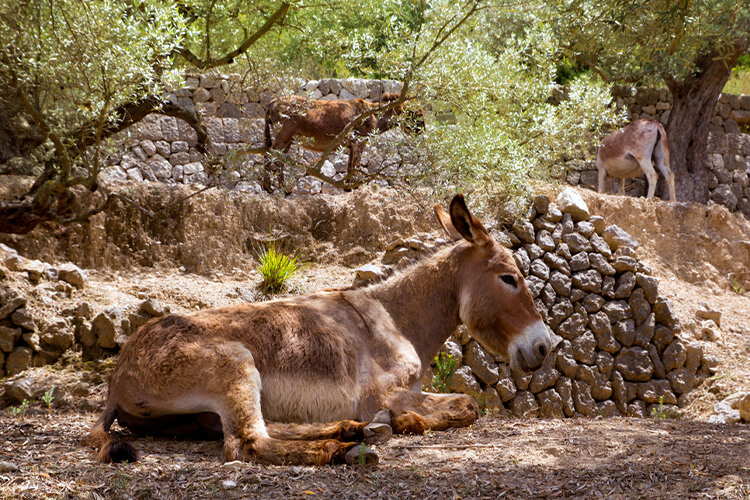
More experienced walkers can take on longer sections of the Ruta de Pedra en Sec (Dry Stone Route), or GR 221. But the Tramuntana is not only for people who come to clock up serious mileage. There are shorter walks, trails connecting villages and paths with sea views.
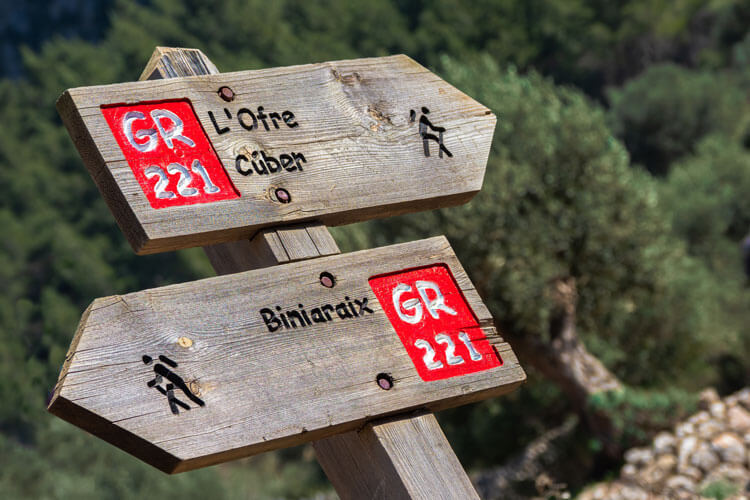
Discover the GR 221 – Dry Stone Route
And walking is often the best way to discover the side of Mallorca that simply cannot be seen from the main road.
5. Autumn is a great time for cycling
Mallorca has long been one of Europe’s best-known cycling destinations, and it does not take long beyond the coastal resorts to understand why.
Mountain passes, quiet inland roads, coastal routes and towns that seem made for a coffee stop all form part of the appeal.
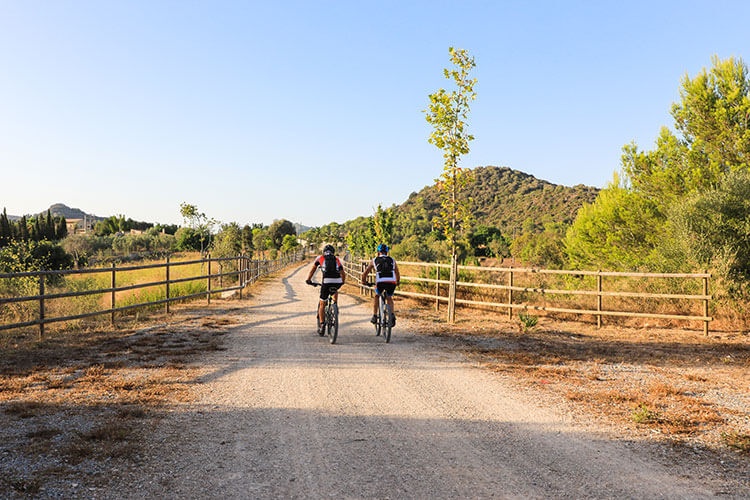
By autumn, conditions are much more comfortable, especially on longer rides and on exposed roads with little shade. Routes through the Serra de Tramuntana, towards Cap de Formentor, around Coll de sa Batalla and across the island’s interior become much more manageable once the strongest summer heat has passed.
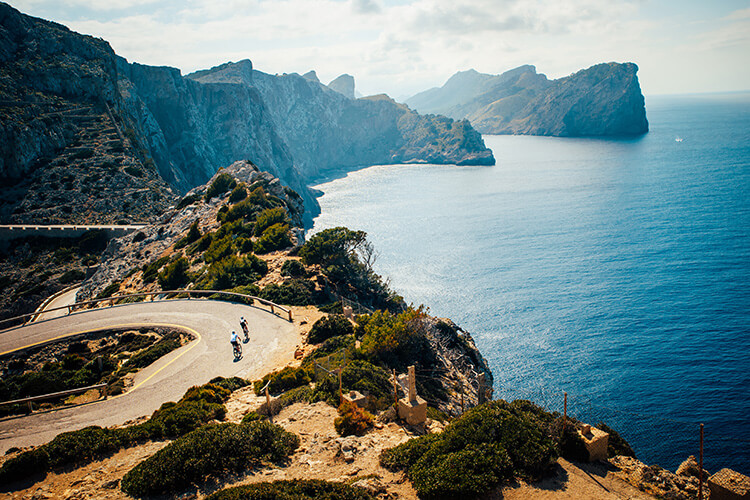
The most exciting cycling routes in Puerto Pollensa
6. Binissalem celebrates the grape harvest
In Binissalem, autumn does not arrive quietly.
It arrives with grapes.
This is one of Mallorca’s key wine regions and the heart of an area with its own protected designation of origin, Denominación de Origen Binissalem.
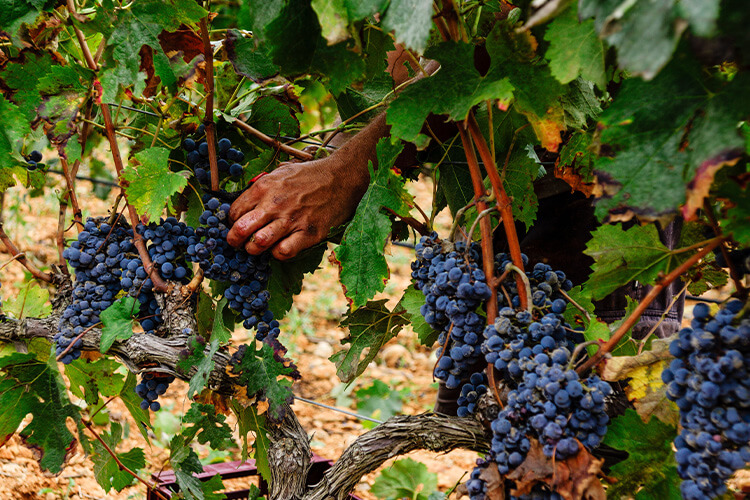
Much of September in Binissalem revolves around Festa des Vermar, the town’s traditional grape harvest festival, with events and celebrations spread across several weeks.
There are traditional costumes, dancing, exhibitions, Fira del Vi, grape-stomping competitions and one of the festival’s most unusual traditions: the grape battle, Batalla del Raïm.
There is also fideus de vermar, a hearty dish made with pasta, meat and vegetables that is traditionally eaten during the harvest celebrations.
7. The vineyards lead you inland
Autumn is a wonderful time to discover Mallorca’s wine country, and not only because of what ends up in your glass. The vineyards draw you further inland, into a landscape of stone houses, fields, gentle hills and towns such as Santa Maria del Camí, Consell and Sencelles.
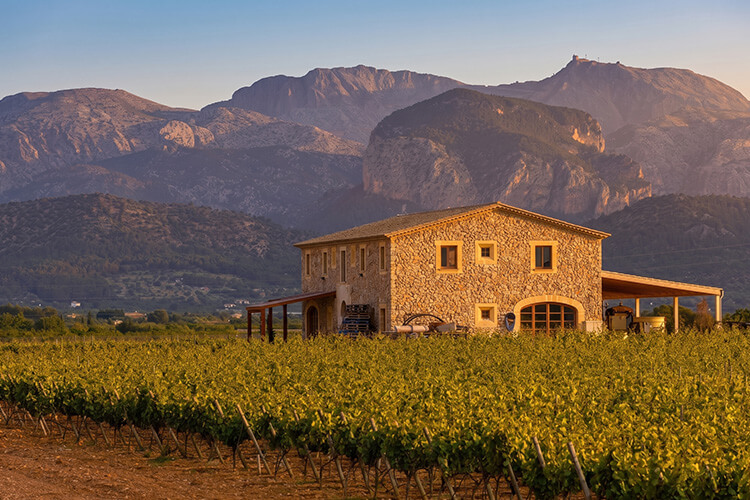
A winery visit can easily become part of an entire day: a tasting, a walk through the vines, lunch in a small town and a relaxed drive through the interior. The area around Santa Maria del Camí, Consell and Sencelles is particularly rich in wineries, including well-known names such as Macià Batle, Bodega Ribas and Son Prim.
In autumn, it becomes particularly clear that wine in Mallorca is more than something listed on a restaurant menu. It is part of the island’s landscape, agriculture and history.
8. A sweeter October
The beginning of the month brings Fira Dolça. In Esporles, usually on the first Sunday in October, this fair dedicated to local cakes and sweets fills the streets with stalls selling ensaïmadas, crespells, coques, chocolate and other Mallorcan treats.
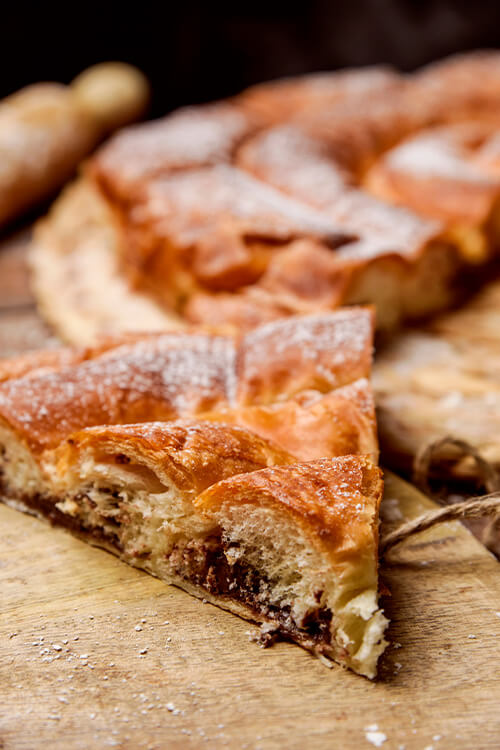
Around Les Verges on 21 October, with celebrations beginning the night before, bunyols become especially easy to find across Mallorca. These freshly fried doughnuts, traditionally served with sugar or honey, are one of the island’s most characteristic autumn treats.
9. Autumn belongs to local fiestas
Mallorca’s autumn calendar is filled with fairs, markets and local celebrations.
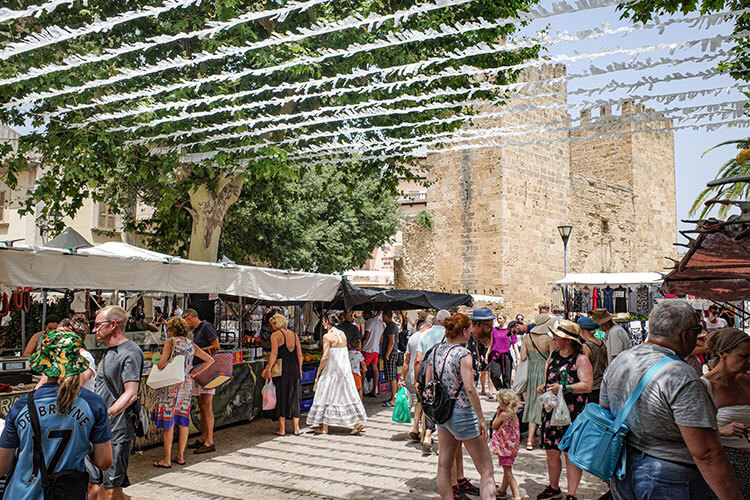
On the first weekend of October, the historic centre of Alcúdia hosts Fira d’Alcúdia, combining crafts, gastronomy and agricultural traditions. In November, Pollença holds La Fira, a traditional fair with centuries of history, one of whose most distinctive features is the craft exhibition in the Sant Domingo convent.
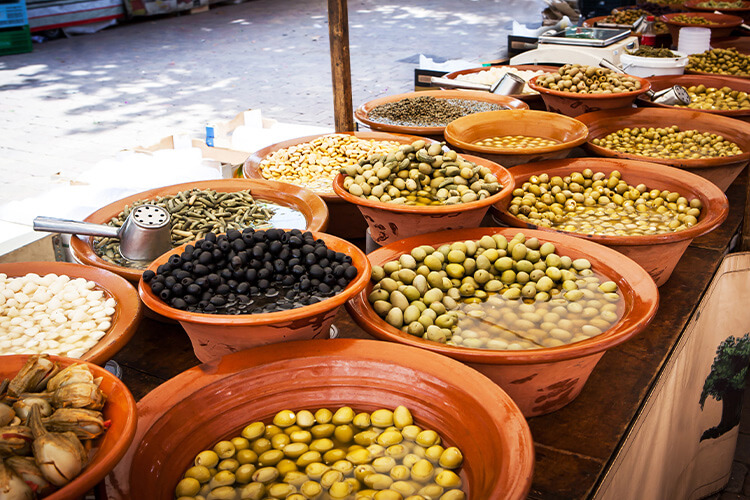
And every town has its own take on autumn. Inca is taken over by Dijous Bo, the culmination of the town’s autumn fairs. Caimari celebrates olives during Fira de l’Oliva, Llubí dedicates its own fair to honey during Fira de la Mel, while Marratxí holds Fira de Tardor, with local produce, crafts and traditional culture.
10. Palma at its best pace
Lower temperatures make it much more pleasant to wander through the old town, peek into historic patios, browse galleries and markets, and walk along the seafront promenade.

Cultural life does not slow down in autumn either. One of the city’s most distinctive events is Nit de l’Art, when galleries, museums and other spaces across Palma open their doors to contemporary art. In the weeks that follow, exhibitions, concerts and other cultural events continue across the city.
11. Time for Mallorcan classics
In summer, appetite often disappears where the heat begins. A salad, something light, a cold drink, and preferably a table in the shade.
Late August and September also mark the almond harvest, one of Mallorca’s most characteristic crops. Almonds have long played an important role in the island’s cooking and baking, and one of the best-known examples is gató d’ametlla, a traditional Mallorcan almond cake.
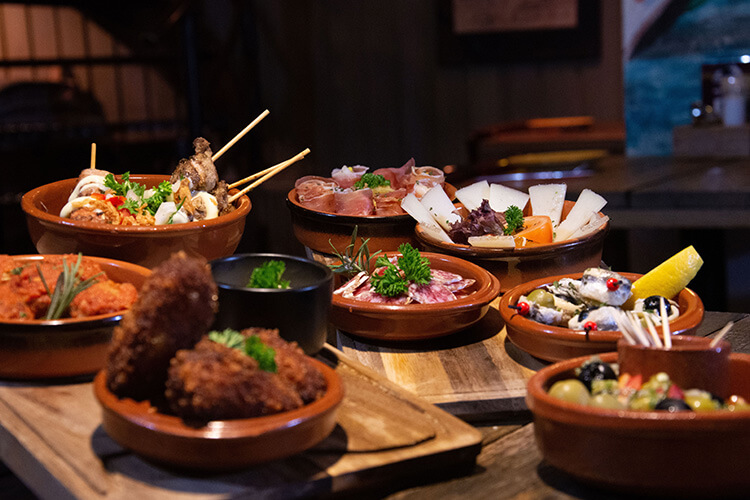
As autumn progresses and temperatures become milder, richer dishes start to sound much more appealing too. Arròs brut, llom amb col, sopes mallorquines or dishes made with sobrassada make rather more sense after a long walk or a day exploring the island than they do at the height of August.
Autumn does not suddenly change Mallorcan cuisine. It changes your appetite for it.
12. Fresh olive oil may surprise you
Late autumn marks the beginning of the olive harvest season, particularly noticeable in the Serra de Tramuntana.
It is a good time to visit one of the traditional tafones, or olive presses, see how the oil is made and taste it almost straight from production.
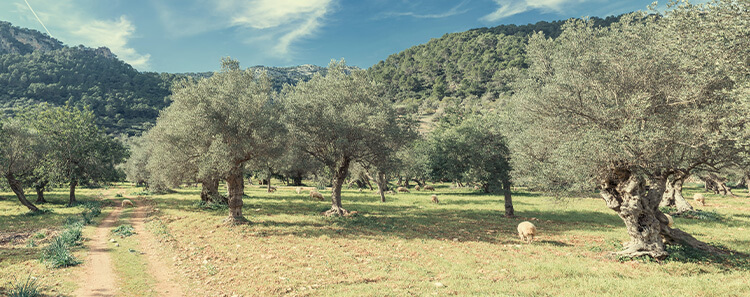
Freshly pressed oil can taste markedly different from the bottle that has been sitting in a kitchen cupboard: greener, more aromatic and often peppery at the back of the throat. Taste it just after pressing and you suddenly understand why Mallorca takes it so seriously.
In Caimari, at the foot of the Serra de Tramuntana, the olive season even has its own celebration at the end of November: Fira de l’Oliva, dedicated to olives, olive oil and the traditions surrounding them.
13. Migration season over Mallorca
Autumn makes it easier to notice places that are easily overlooked in summer.
The island lies on seasonal bird migration routes, which means autumn brings species stopping here on their journeys between Europe and Africa.
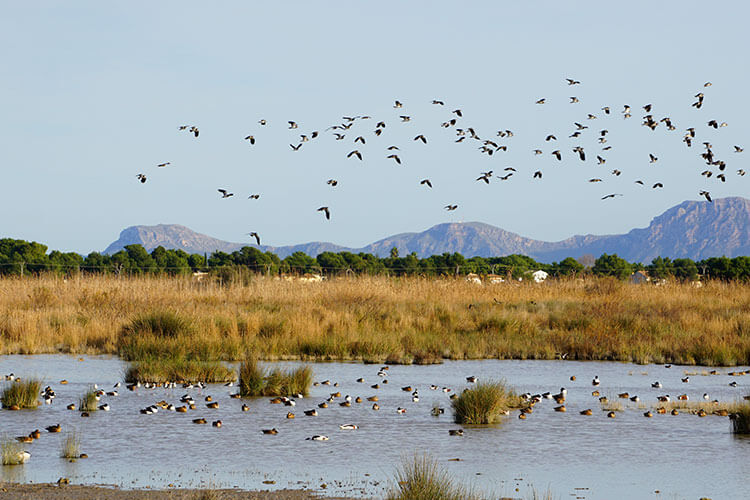
One of the best places to see them is s’Albufera de Mallorca, the island’s largest wetland, right beside Playa de Muro and Alcúdia. Paths lead through the marshes to observation points, and the landscape can feel completely different from the coast just a few minutes away.
Near Puerto de Pollensa, La Gola is also worth visiting, while in the Serra de Tramuntana you can keep an eye out for birds of prey.
14. A rainy day does not have to be a wasted day
Autumn weather in Mallorca can occasionally change your plans.
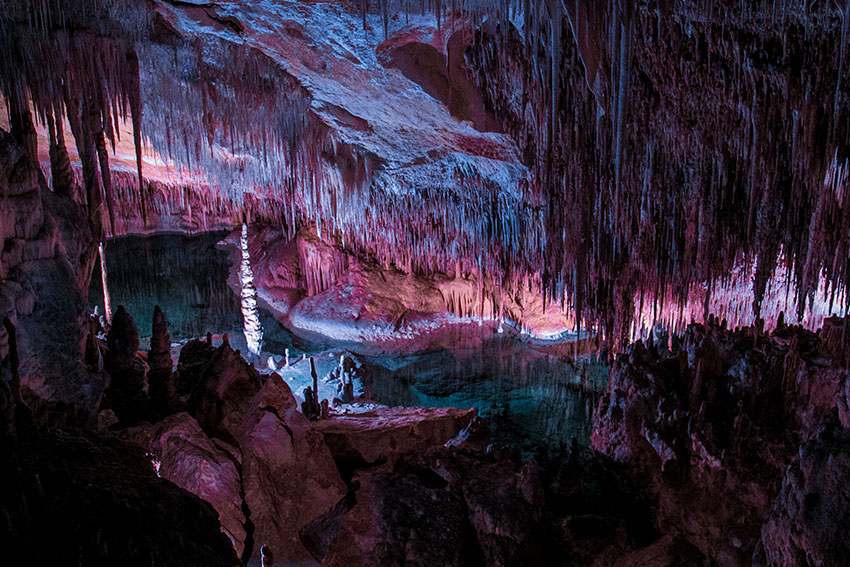
One option is to go underground. The Caves of Drach are home to Lake Martel, where a short classical music concert forms part of the visit. The Caves of Artà and Campanet offer very different underground landscapes and are also good alternatives when the weather turns.
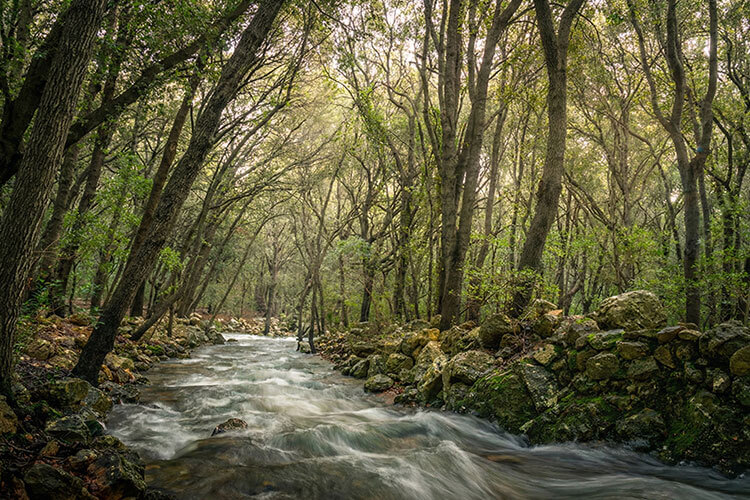
Rain can even create an attraction of its own. After periods of heavy rainfall, Ses Fonts Ufanes in Campanet can suddenly begin to flow as groundwater rises and bursts naturally from the forest floor. The phenomenon cannot be guaranteed; it depends entirely on rainfall, but when it happens, it is one of Mallorca’s most unusual natural spectacles.
Palma also offers plenty of ways to spend a slower day, from museums and galleries to Castell de Bellver, local markets, boutiques, ceramics and long lunches that somehow become much easier to justify when the weather outside is less inviting.
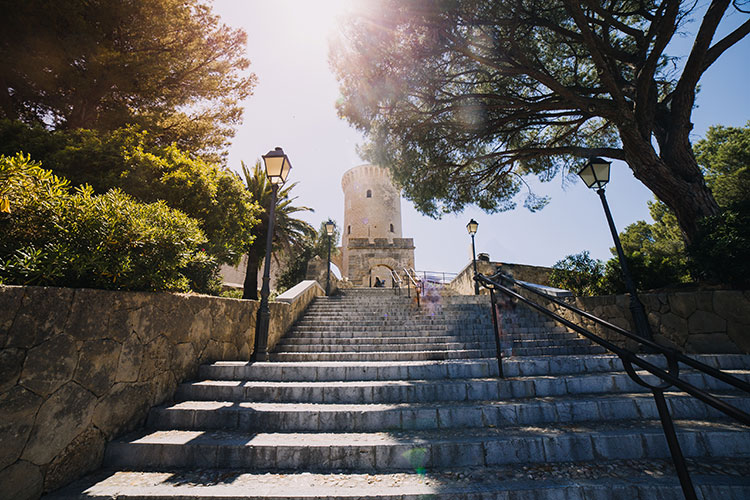
15. Towns you will want to linger in
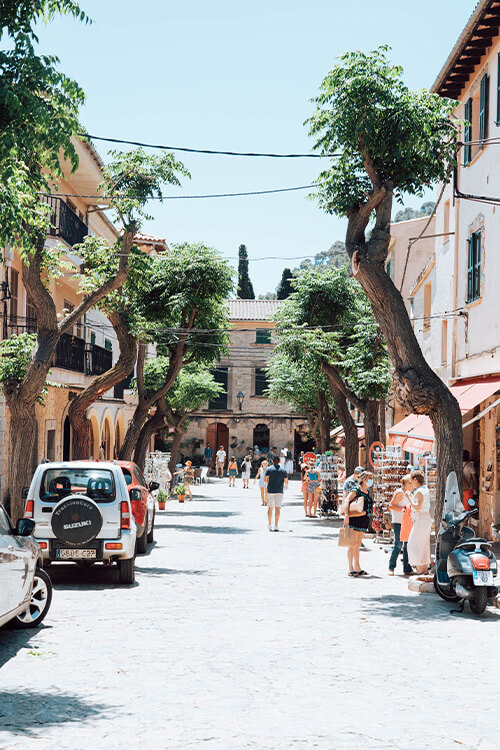
Deià, Sóller, Fornalutx, Pollença, Sineu, Artà and Valldemossa are beautiful at any time of year.
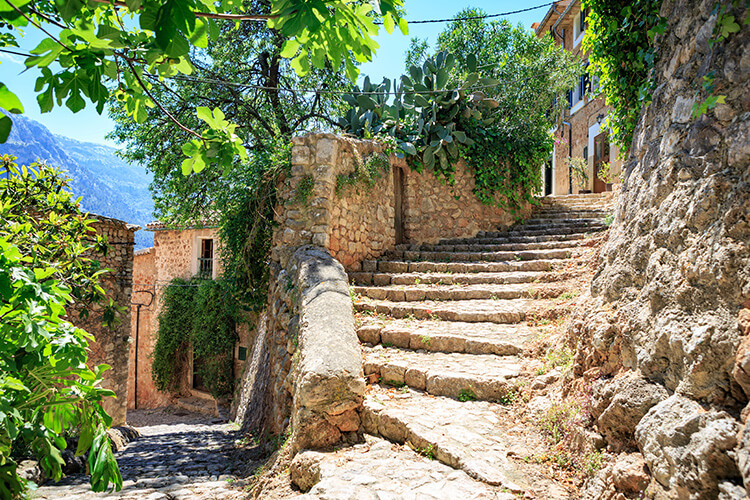
In autumn, though, it is easier to settle into their rhythm. Stop at a local market. Have lunch and stay for another coffee. Turn down a side street that leads to none of the must-see sights. See just how slowly a day can unfold in a Mallorcan town.
What is Mallorca like in September, October and November?
September, October and November show three quite different sides of Mallorca.
| Month | What is Mallorca like? | Best for |
|---|---|---|
| September | late summer, warm sea and plenty of life along the coast | beaches, swimming, the grape harvest and active holidays |
| October | still warm, but more changeable; excellent for exploring the island | walking, cycling, birdwatching, sightseeing, towns and culture |
| November | cooler, quieter and more local | hiking, food, olive season, fairs and slow travel |
The weather is more changeable than in summer, so an autumn trip works best when you have a few options for each day rather than one rigid plan.
Common questions about autumn in Mallorca
Yes, especially if your idea of a good holiday in Mallorca goes beyond spending every day on the beach.
September still offers plenty of opportunities for beach days; October is excellent for combining the coast with sightseeing, hiking, and cycling, while November shifts the focus towards local food, fairs, mountains, and island traditions.
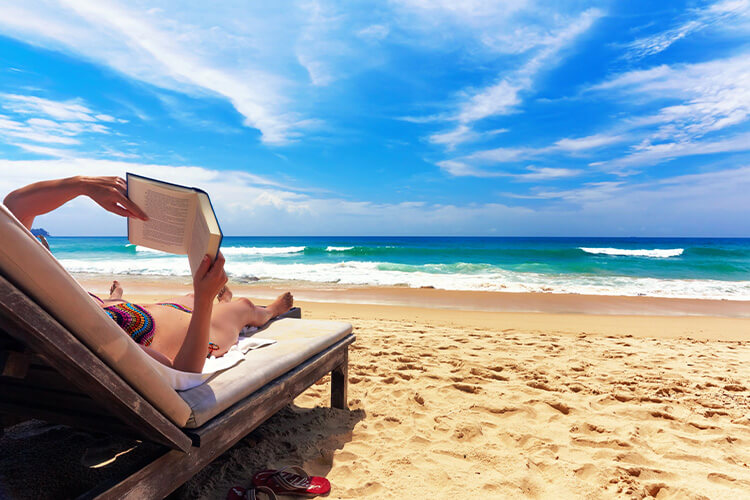
☑ In September, very often, yes. Warm, sunny days are still common, and the Mediterranean retains much of the heat accumulated over the summer.
☑ In October, often, yes. There can still be excellent days for the beach and swimming, although the weather becomes more changeable.
☑ In November, it depends on the weather. Warm, sunny days can still occur, but it is better not to plan your trip on the assumption that it will be a typical beach holiday.
Climate averages are a useful guide, not a forecast for your specific stay.
Palma and towns that function year-round continue at their normal pace. Restaurants, markets, wineries, walking trails, cultural attractions and local shops remain open. In more seasonal coastal resorts, however, some restaurants, beach services and tourism businesses may reduce their opening hours or close as the season comes to an end.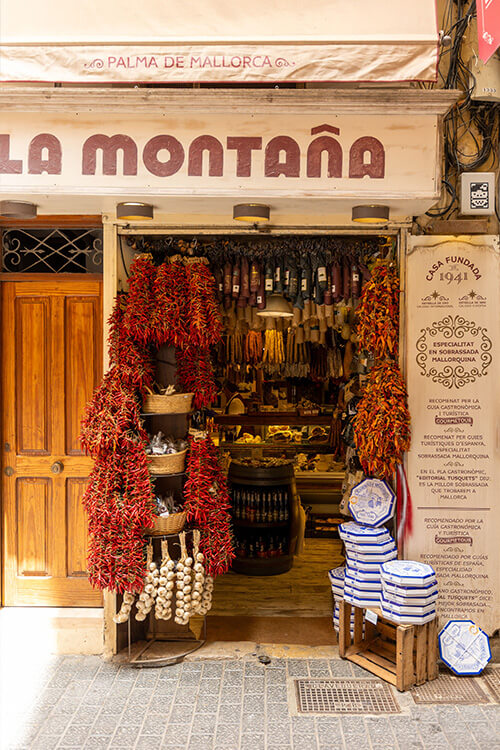
That means location matters more the later into autumn you travel. In November especially, it is worth staying somewhere that operates year-round or in a location that gives you easy access to different parts of the island.
☑ Choose September if you still want something very close to a summer holiday.
☑ Choose October if you want to combine the coast with hiking, cycling, culture and sightseeing.
☑ Choose November if mountains, local food, fairs, towns and a slower pace matter more to you than guaranteed beach weather.


Leave a Reply